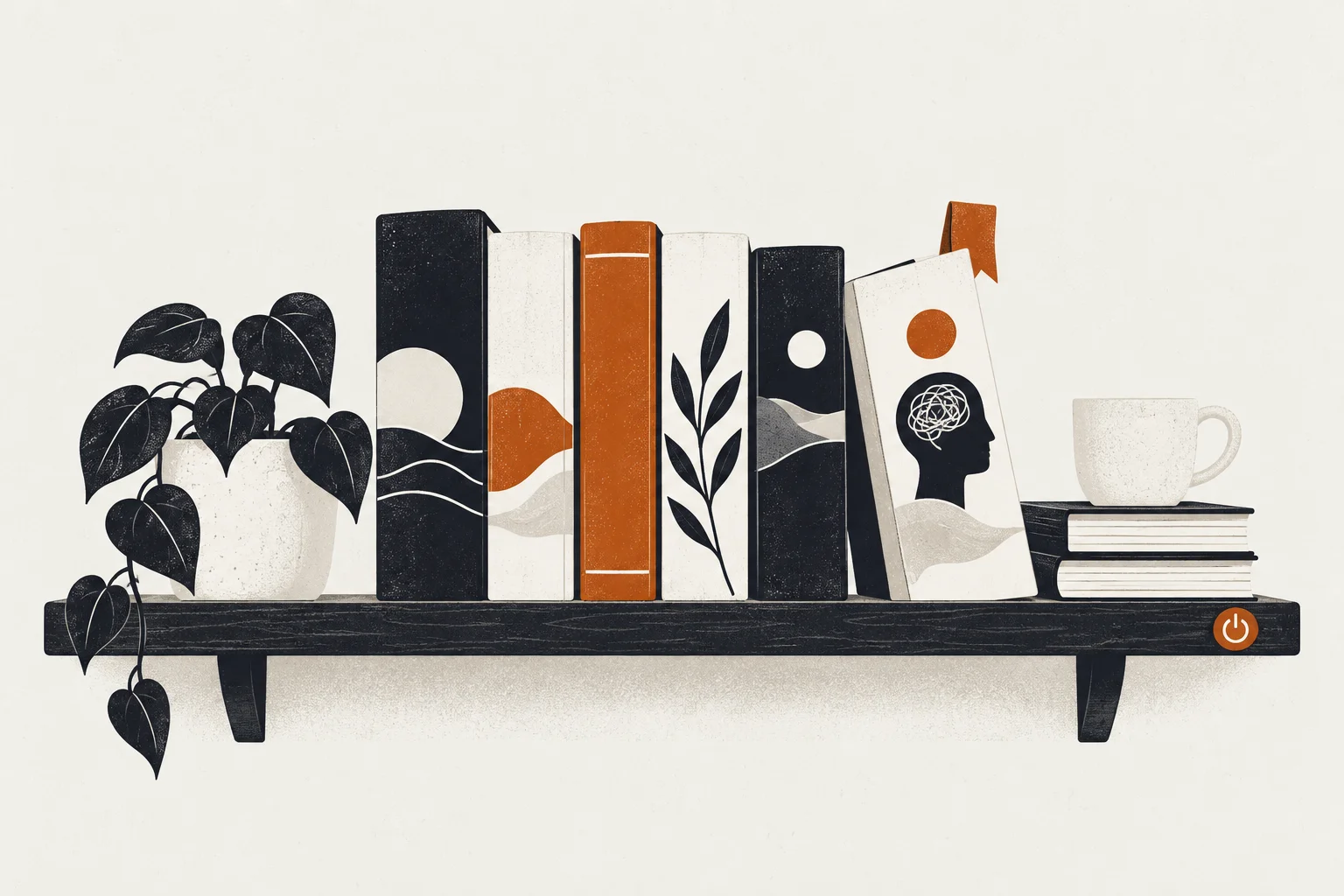
Why Are People Against Self-Help Books? Understanding the Criticism
Self-help books face legitimate criticism — and some of it is deserved. But dismissing the entire genre throws out valuable tools along with the baggage.
The Self-Help Backlash
Walk into any bookstore, and the self-help section is enormous. Read the comments on social media, and you’ll find fierce opposition to the very genre. Self-help books are accused of being shallow, manipulative, individually-focused in ways that ignore systemic problems, and sometimes genuinely harmful.
The criticism isn’t baseless. Some self-help authors make exaggerated claims. Some books prioritize sales over science. Some frameworks blame individuals for problems that structural forces created.
But the backlash also misses something important: the best self-help books are evidence-based, practically useful, and often the first line of defense for people who can’t access professional mental health care.
Legitimate Criticisms
The profitability problem — Self-help is a multi-billion dollar industry. Some authors prioritize viral hooks over evidence. The “seven habits that changed my life” framework often outperforms the “eight evidence-based interventions with moderate effect sizes” framework in marketing, even when the latter is more accurate.
The individualism bias — Many self-help books frame problems as individual failures rather than responses to difficult circumstances. Telling someone to “manifest abundance” while they’re facing economic insecurity isn’t just unhelpful — it’s harmful. Mental health issues don’t exist in a vacuum, and books that ignore context miss the mark.
The one-size-fits-all trap — Self-help books generalize from research averages. But individuals respond differently to interventions. A technique that works for 70% of people may not work for the other 30%. Books that present findings as universal truths set up readers for disappointment.
The quick-fix promise — The self-help market rewards brevity and urgency. Complex problems get simplified into 12-step programs. This packaging sells books but misrepresents the complexity of lasting change.
The Defense
Accessibility matters — Professional therapy is expensive and inaccessible to many. Self-help books fill a gap that insurance systems and waitlists create. A well-written workbook costs $15; therapy costs $150+ per session.
Evidence does exist — The best self-help books are grounded in clinical research. CBT workbooks, ACT guides, and mindfulness-based interventions have robust evidence supporting their effectiveness. Dismissing all self-help because some of it is weak ignores the strong core.
Self-directed change is real — Research on self-directed CBT shows moderate to large effect sizes for anxiety and depression. People can and do improve through structured self-help — especially when they’re motivated and consistent.
Books are tools, not cures — The healthiest relationship with self-help is seeing it as one resource among many. Books complement therapy, exercise, sleep hygiene, and social connection — they don’t replace them.
How to Evaluate Self-Help Claims
Not all self-help books are equal. Use these criteria:
- Author credentials — Is the author a licensed therapist or researcher? Or are they an influencer selling a course?
- Evidence citation — Does the book reference clinical studies? Or does it rely on anecdote and authority?
- Realistic promises — Does it acknowledge that change takes time? Or does it promise transformation in 7 days?
- Nuanced framing — Does it recognize that some problems have systemic causes? Or does it attribute everything to individual mindset?
The books on this site meet these criteria. We only recommend resources that are evidence-based and honest about their limitations.
Key Takeaways
- Self-help criticism has merit — The industry has real problems with overpromising and under-evidencing
- But the genre has value — Evidence-based self-help fills critical gaps in mental health access
- Evaluate claims critically — Check credentials, evidence, and realistic framing before buying
- Books are tools, not cures — Use them as part of a broader self-care strategy
- The best self-help respects complexity — It acknowledges limits while offering genuine help
For our evidence-based recommendations, see best self-help books for anxiety and overthinking and best books to stop overthinking.