Sleep Problems Natural Remedies Books: A Comprehensive Guide to Evidence-Backed Solutions
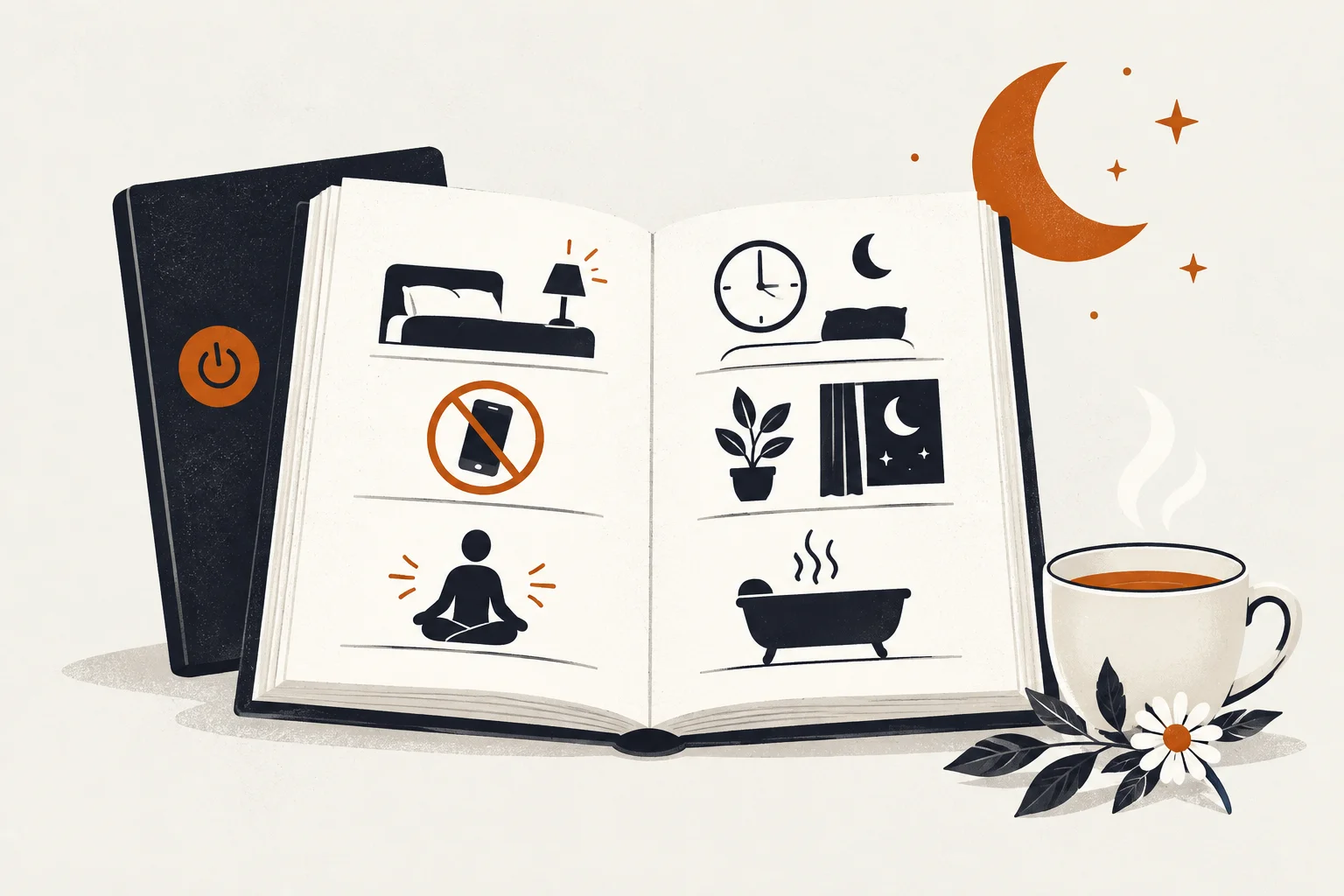
Sleep problems affect one-third of adults. Whether you prefer learning from books or trying natural remedies, these evidence-based strategies can restore your rest.
Understanding Sleep Problems
Chronic insomnia affects approximately 10% of adults globally. Another 30% report occasional sleep difficulty. The consequences extend far beyond tiredness — poor sleep increases cardiovascular disease risk, weakens immunity, and worsens anxiety and depression. Yet most people try random remedies without understanding which approaches match their specific sleep problem.
A structured approach matters. This guide covers evidence-based natural remedies, recommended books, and behavioral techniques that address the root causes of sleep problems.
Evidence-Backed Natural Remedies
Melatonin — Your body produces this hormone naturally to signal nighttime. Supplemental melatonin helps primarily with circadian rhythm issues like jet lag, shift work disorder, and delayed sleep phase syndrome. Research supports doses of 0.5 to 3 mg taken 30 to 60 minutes before bed. Higher doses do not improve outcomes and may cause next-day grogginess.
Magnesium — This mineral supports over 300 enzymatic reactions, including those regulating nervous system activity. Studies show magnesium supplementation improves sleep quality, particularly in people with deficiency or restless leg syndrome. Magnesium glycinate and citrate are well-absorbed forms. Typical doses range from 200 to 400 mg before bedtime.
Valerian root — One of the most researched herbal sleep aids. Meta-analyses show modest improvements in sleep quality and latency. The taste is difficult; capsule forms are preferable to tinctures. Valerian works best for people with mild-to-moderate insomnia.
L-Theanine — Found naturally in green tea, this amino acid promotes relaxation without drowsiness. Clinical trials demonstrate improved sleep quality and reduced nighttime awakenings. It works particularly well when combined with other calming compounds like GABA or magnesium.
Chamomile — This ancient remedy has growing scientific support. Apigenin, a flavonoid in chamomile, binds to GABA receptors similarly to some sleep medications, though much more gently. Regular chamomile tea consumption has been associated with improved sleep quality in clinical studies.
Lavender — Aromatherapy studies show lavender scent can reduce anxiety and improve sleep quality. Oral lavender supplements (Silexan) have been studied for sleep anxiolytic effects with promising results.
Books That Help With Sleep Problems
Several evidence-based books translate sleep science into actionable protocols:
“Why We Sleep” by Matthew Walker — A neuroscientist’s comprehensive overview of sleep’s role in health, memory consolidation, and emotional regulation. Walker makes a compelling case for prioritizing sleep as foundational to all other health behaviors.
“The Sleep Book” by Russell Foster — A British neuroscientist explains circadian biology in plain language. Foster emphasizes the importance of morning light exposure and exercise timing for sleep quality.
“Taking Charge of Insomnia” by Aaron Siegel and Jerry Siever — Based directly on CBT-I protocols, this book walks readers through the same techniques sleep specialists use. It covers sleep restriction, stimulus control, cognitive restructuring, and relaxation training in step-by-step format.
“Break Free From Insomnia” by Jeffrey Goldstein — This book combines traditional CBT-I with modern acceptance and commitment therapy principles. Goldstein addresses the anxiety about sleep that often perpetuates insomnia, offering both behavioral techniques and cognitive reframing strategies.
Behavioral Approaches That Outperform Supplements
Cognitive Behavioral Therapy for Insomnia (CBT-I) — Considered the gold standard treatment for chronic insomnia by major medical organizations, CBT-I addresses the thoughts and behaviors that maintain sleep problems. Multiple randomized controlled trials show CBT-I produces sustained improvements in sleep that often outlast the treatment period itself.
Sleep Restriction Therapy — This technique involves limiting time in bed to match actual sleep time, creating mild sleep deprivation that builds sleep drive. Over successive weeks, time in bed gradually increases as sleep efficiency improves. Research shows this method produces significant improvements in sleep onset latency and wake after sleep onset.
Stimulus Control — Based on the principle that bed should become associated exclusively with sleep, stimulus control involves going to bed only when sleepy, using the bed only for sleep and sex, getting up if unable to sleep, and maintaining a fixed wake time daily. Studies consistently show this simple intervention reduces nighttime awakenings and improves sleep efficiency.
Environmental Modifications
Temperature — Core body temperature must drop by approximately one degree Fahrenheit for sleep onset. Most people sleep best in rooms between 60 and 67 degrees Fahrenheit. A warm bath or shower 90 minutes before bed actually accelerates core cooling afterward by redirecting blood flow to the skin’s surface.
Light exposure — Morning sunlight within one hour of waking anchors your circadian rhythm more effectively than any supplement. Evening blue light from screens suppresses melatonin production by up to 50%. Amber-tinted glasses worn two hours before bed can mitigate this effect while allowing screen use.
Noise — Continuous background noise masks disruptive sounds. White noise machines, fans, or earplugs can improve sleep continuity, particularly in urban environments or shared living spaces. Some research suggests nature sound recordings may be more effective than mechanical white noise for reducing nighttime awakenings.
Mattress and pillows — Medium-firm mattresses consistently outperform soft mattresses in sleep quality research. Pillow height should maintain neutral spine alignment regardless of sleep position. These factors matter less than light and temperature control but become significant when other interventions produce incomplete results.
When Natural Remedies Aren’t Enough
Natural approaches work well for mild-to-moderate sleep difficulties. Consider professional evaluation when:
- Insomnia persists despite consistent natural remedy use for four or more weeks
- Loud snoring or observed breathing pauses suggest sleep apnea
- Sleep problems coincide with persistent anxiety or depression symptoms
- Daytime sleepiness impairs driving safety or work performance
A sleep specialist can diagnose underlying conditions and recommend targeted treatments that complement natural approaches.
Building Your Sleep Toolkit
Start with the foundation: consistent schedule, morning light, and a cool dark bedroom. Add one behavioral technique and one supplement at a time, waiting two weeks before assessing effectiveness. Track sleep with a simple journal or wearable to identify patterns. Most people benefit from combining environmental changes with one evidence-based behavioral protocol before considering additional interventions.
Natural remedies and behavioral techniques offer viable alternatives to prescription sleep medications for many people. The evidence supports starting with CBT-I principles, optimizing your sleep environment, and adding targeted supplements only when needed.
For deeper guidance on specific natural remedies, see our articles on natural remedies for deep sleep, strongest herbs for sleep, and home remedies for sleep anxiety.