Best Natural Sleep Aid for Elderly: Safe, Effective Options for Age-Related Insomnia
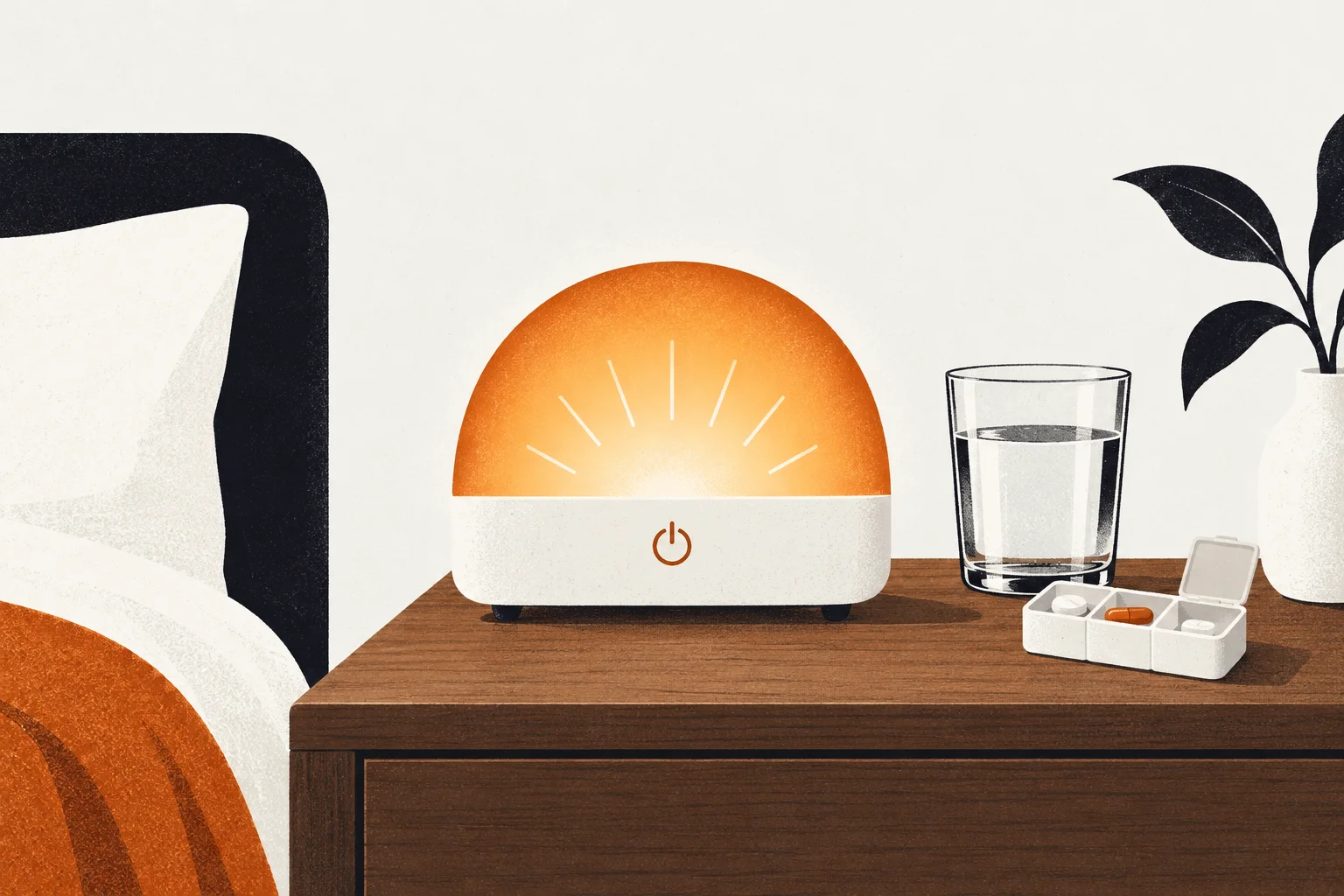
Sleep changes with age are normal, but persistent insomnia is not. These natural approaches address senior sleep challenges while minimizing medication risks.
Why Sleep Changes With Age
Older adults typically sleep less deeply and wake more frequently. The circadian clock shifts earlier, causing evening drowsiness and early morning awakening. Production of sleep-promoting neurotransmitters declines. These changes are normal, but chronic insomnia affecting daytime function deserves attention regardless of age.
Safest Natural Options for Older Adults
Melatonin (low dose) — Melatonin production declines significantly with age, making supplementation particularly relevant for older adults. Low doses of 0.5 to 1 mg taken one to two hours before desired bedtime can advance sleep timing and improve sleep quality. This approach avoids the fall risk associated with prescription sedatives while addressing the underlying hormonal change.
Magnesium glycinate — Magnesium deficiency becomes more common with age due to decreased absorption and increased excretion. Supplementation with 200 to 400 mg of magnesium glycinate before bed improves sleep quality with minimal side effects. This form is gentle on the stomach and does not cause the diarrhea associated with magnesium citrate.
Valerian root — Studies in older adults show valerian improves sleep quality without next-day impairment or cognitive effects. The typical dose is 300 to 600 mg standardized extract 30 to 60 minutes before bedtime. Valerian does not produce dependence or withdrawal symptoms, making it suitable for long-term use.
Tart cherry juice — Natural melatonin source that avoids supplement dosing questions. Two cups daily provides modest sleep benefits with additional anti-inflammatory compounds. This approach is particularly suitable for older adults who prefer food-based interventions over pills.
Supplements Requiring Caution in Older Adults
CBD — While generally safe, CBD interacts with numerous medications metabolized by CYP450 enzymes, including blood thinners, statins, and some blood pressure medications. Older adults take more medications on average, making drug interaction checks essential before starting CBD.
Kava — Effective for anxiety but carries liver toxicity risk, particularly with prolonged use. Not recommended for older adults without medical supervision, especially those with existing liver conditions or taking hepatotoxic medications.
High-dose melatonin — Doses above 3 mg can cause next-day sedation, cognitive clouding, and falls risk. Older adults are particularly sensitive to these effects. Start low and increase only if needed.
Non-Supplement Approaches
Morning light exposure — Age-related circadian advance responds well to bright morning light. Thirty minutes of outdoor light or a 10,000-lux light therapy box within one hour of waking can shift sleep timing later and improve nighttime sleep continuity.
Exercise timing — Regular physical activity improves sleep in older adults, but vigorous exercise within three hours of bedtime disrupts sleep. Morning or afternoon exercise is optimal. Even brief daily walks improve sleep quality compared to sedentary routines.
Sleep schedule consistency — Irregular sleep times worsen age-related sleep fragmentation. Maintaining consistent wake times, even on weekends, reinforces circadian rhythms more effectively than variable schedules.
Medication Interactions to Review
Before starting any natural sleep aid, review current medications with a pharmacist or doctor. Common interactions include:
- Blood thinners with valerian, ginkgo, or CBD
- Blood pressure medications with licorice root
- Diabetes medications with chromium or cinnamon supplements
- Sedating antihistamines combined with other sleep aids
- Thyroid medications with calcium or iron supplements taken simultaneously
When to Consult a Doctor
Natural remedies are appropriate for mild-to-moderate sleep difficulties. Seek medical evaluation when:
- Sleep problems persist despite consistent natural remedy use for four weeks
- Loud snoring or breathing pauses suggest sleep apnea
- Restless legs cause significant discomfort
- Daytime sleepiness affects safety or function
- New sleep problems coincide with medication changes
A geriatrician or sleep specialist can identify treatable causes while ensuring natural remedies do not interfere with existing treatments.
For more on natural sleep solutions, see our guides on sleep problems natural remedies books and strongest natural sleep remedies.