What Is the Strongest Natural Medication for Anxiety? An Evidence Review
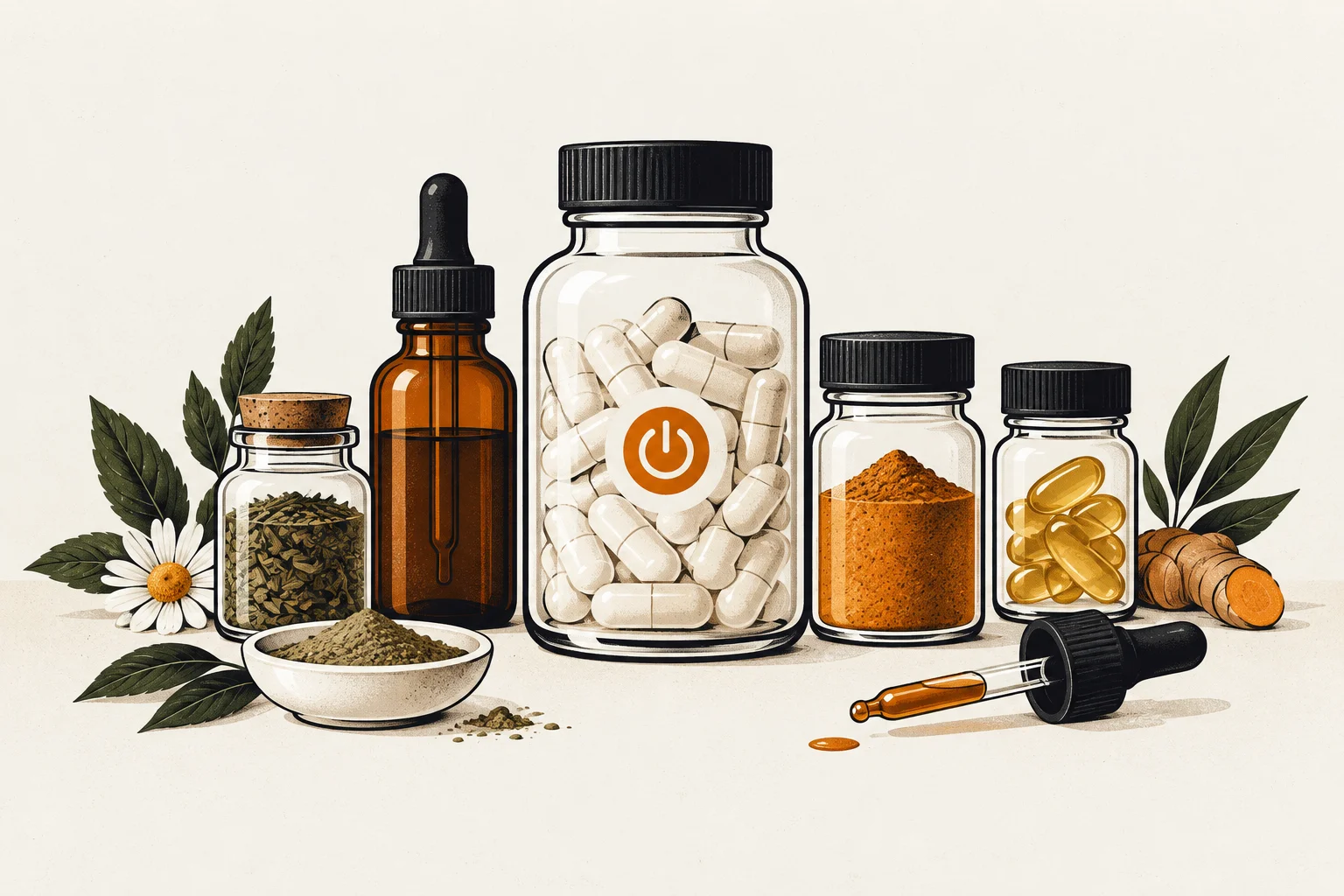
Many people with anxiety seek alternatives to prescription medications. This guide reviews the strongest natural options — CBD, kratom, valerian, passionflower, and kava — based on clinical evidence, safety data, and practical effectiveness.
Defining “Strongest”
“Strongest” means different things depending on your goal:
- Most evidence-backed: Which supplements have the most rigorous clinical research?
- Fastest acting: Which produce noticeable effects quickest?
- Most effective for severe anxiety: Which come closest to prescription medication?
- Safest for long-term use: Which have the best risk-benefit profile?
No natural remedy matches the potency of prescription benzodiazepines or SSRIs. But several come closer than others — and all carry different risk profiles.
CBD (Cannabidiol)
Evidence strength: Moderate | Onset: 30–60 minutes | Best for: Generalized anxiety, social anxiety
CBD has become the most widely researched natural anxiety remedy. Unlike THC, CBD is non-intoxicating and doesn’t produce euphoria or impairment.
What the research shows:
– A 2019 study in The Permanente Journal found CBD reduced anxiety in 79% of participants
– Research suggests CBD interacts with serotonin receptors (5-HT1A) and endocannabinoid systems
– Doses studied range from 300–600mg for acute anxiety, 25–300mg daily for generalized anxiety
Safety considerations:
– Generally well-tolerated; side effects include fatigue, diarrhea, and appetite changes
– Can interact with blood thinners and certain medications (consult your doctor)
– Quality varies significantly between brands — look for third-party testing
Practical use: Sublingual tinctures produce faster effects than capsules. Start low (10–20mg) and titrate up over 1–2 weeks.
Kratom
Evidence strength: Limited/anecdotal | Onset: 5–15 minutes | Best for: Severe anxiety (controversial)
Kratom (Mitragyna speciosa) is a Southeast Asian herb with effects that range from stimulating at low doses to sedating at high doses. Users report anxiety relief, but the evidence base is weak and the safety profile is concerning.
What we know:
– Kratom binds to opioid receptors, producing both stimulant and opioid-like effects
– Anecdotal reports suggest anxiety relief, but no rigorous clinical trials exist
– The FDA has issued warnings about kratom’s potential for addiction and liver toxicity
– Cases of dependence, withdrawal, and serious adverse events have been documented
Safety considerations:
– Risk of dependence and withdrawal symptoms
– Potential for liver damage at high doses
– Drug interactions with CYP450 enzymes
– Legal status varies by jurisdiction — banned in some states and countries
Verdict: Despite anecdotal reports of effectiveness, the safety risks outweigh the benefits for most people. Consider it only if other options have failed and under medical supervision.
Valerian Root
Evidence strength: Moderate | Onset: 30–60 minutes | Best for: Anxiety with insomnia
Valerian (Valeriana officinalis) has been used for centuries as a sedative and anxiety remedy. It works by increasing GABA levels in the brain — the same neurotransmitter targeted by benzodiazepines, though through a different mechanism.
What the research shows:
– Multiple studies suggest valerian reduces anxiety and improves sleep quality
– A 2006 study found valerian reduced pre-surgical anxiety significantly
– Effects may accumulate with regular use over 2–4 weeks
Safety considerations:
– Generally safe for short-term use (up to 4–6 weeks)
– Side effects: headache, dizziness, stomach upset
– Can cause next-day drowsiness
– Not recommended during pregnancy or with liver disease
Practical use: 300–600mg extract 30–60 minutes before bed. Combine with magnesium glycinate for enhanced effects.
Kava
Evidence strength: Moderate | Onset: 20–40 minutes | Best for:acute anxiety episodes
Kava (Piper methysticum) is a Pacific Island plant whose root produces sedative and anxiolytic effects. The active compounds (kavalactones) interact with GABA receptors.
What the research shows:
– Multiple RCTs show kava extract (Standardized to 70% kavalactones) reduces anxiety symptoms
– A 2013 meta-analysis found kava superior to placebo for generalized anxiety
– Effects are较快-acting compared to valerian
Safety considerations:
– Historical concerns about liver toxicity have been largely attributed to poor-quality preparations and stem/peel use
– Use only root-only, water-extracted preparations from reputable sources
– Avoid alcohol concurrent使用
– Not recommended for long-term daily use (>3 months)
Practical use: 60–250mg kavalactones daily, divided into 2–3 doses. Start with the lower end.
Passionflower
Evidence strength: Limited | Onset: 30–45 minutes | Best for: Mild anxiety, sleep support
Passionflower (Passiflora incarnata) has been used traditionally for anxiety and insomnia. Research is limited but promising.
What the research shows:
– A 2017 study found passionflower improved anxiety symptoms in patients with generalized anxiety disorder
– May work by increasing GABA levels
– Often combined with valerian and lemon balm
Safety considerations:
– Generally well-tolerated
– Can cause drowsiness — avoid driving after use
– Not recommended during pregnancy
Comparing the Options
| Remedy | Evidence | Onset | Best For | Safety |
|---|---|---|---|---|
| CBD | Moderate | 30–60 min | Generalized anxiety | Good |
| Valerian | Moderate | 30–60 min | Anxiety + insomnia | Good |
| Kava | Moderate | 20–40 min | Acute anxiety | Moderate |
| Passionflower | Limited | 30–45 min | Mild anxiety | Good |
| Kratom | Limited | 5–15 min | Severe anxiety | Poor |
When Natural Isn’t Enough
Natural remedies can help with mild-to-moderate anxiety. But they’re not appropriate for:
- Severe anxiety disorders that impair daily functioning
- Panic disorder with frequent attacks
- Anxiety with co-occurring depression
- Anxiety stemming from trauma or PTSD
Prescription medications (SSRIs, SNRIs, benzodiazepines for short-term use) and therapy (CBT, ACT) remain the most effective treatments for moderate-to-severe anxiety.
Natural remedies work best as:
– First-line treatment for mild anxiety
– Adjuncts to therapy or medication
– Tools for specific situations (social events, sleep difficulty)
Related Reading
- best vitamins for sleep and anxiety
- herbs that make you sleep instantly
- what is the strongest natural sleep remedy
Key Takeaways
- CBD has the best combination of evidence and safety for general anxiety
- Valerian is effective for anxiety with accompanying insomnia
- Kava works quickly but requires careful sourcing and limited use
- Kratom carries significant risks despite anecdotal reports
- No natural remedy matches prescription medication for severe anxiety
- Always consult your doctor before starting any supplement, especially if taking other medications