What Are Some Effective Exercises for Managing Stress? Physical Strategies That Work
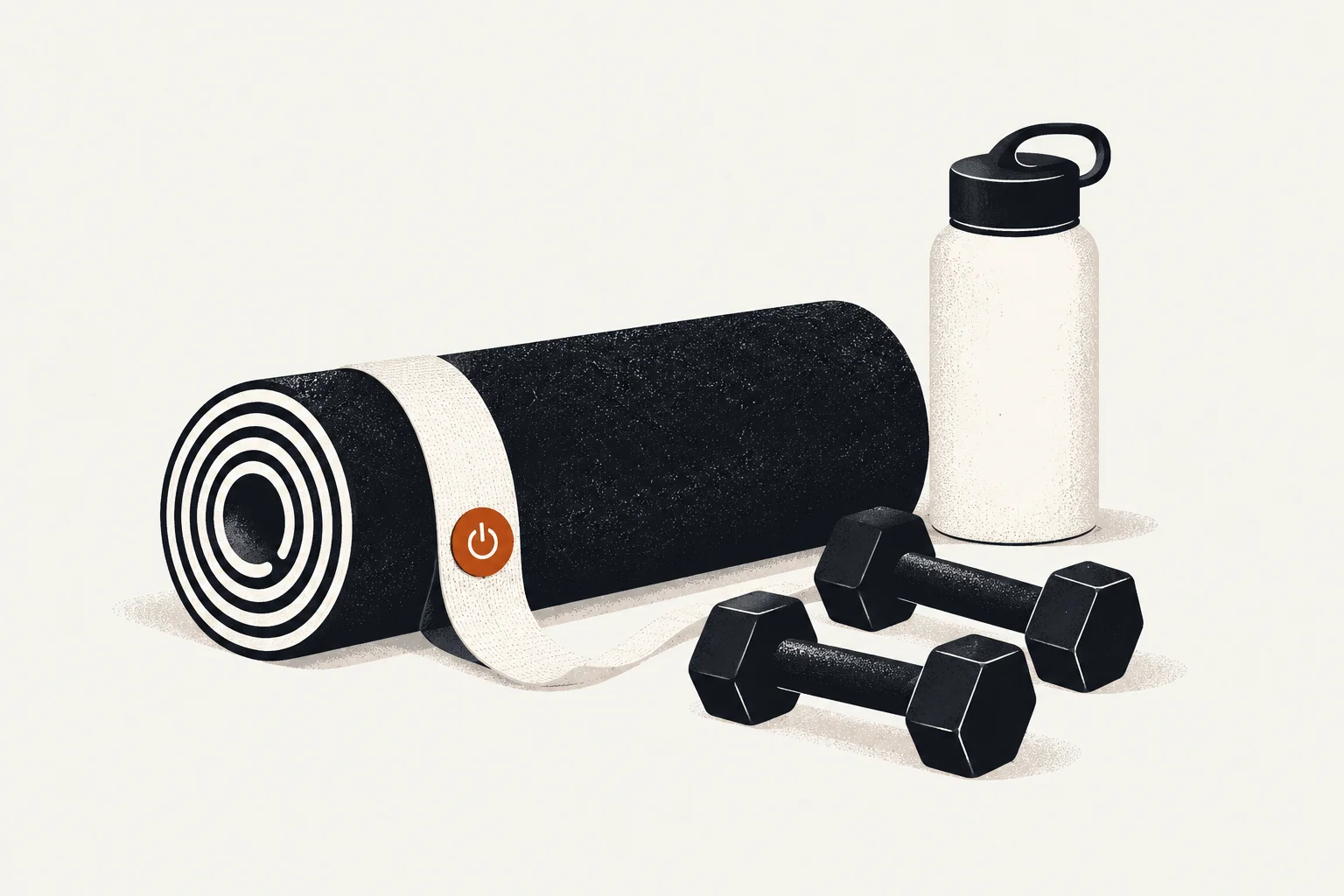
Effective exercises for managing stress are the ones you can do safely, repeat regularly, and recover from. Walking, cycling, swimming, strength training, yoga, tai chi, and brief movement breaks can all fit. No single type is required.
This guide stays focused on physical practice: what movement options offer, how to choose among them, and how to start without turning exercise into another source of pressure. For a broader plan that also covers sleep, support, boundaries, and problem-solving, see seven ways to manage stress.
What exercise can realistically do
Physical activity can support mood, sleep, physical health, and short-term emotional regulation. The Centers for Disease Control and Prevention reports that some brain-health benefits occur after a session and that regular activity is associated with lower risk of depression and anxiety.
That does not mean exercise removes the cause of stress or works the same way for everyone. A walk will not fix unsafe work, caregiving overload, financial problems, or trauma. Movement is one part of a response, not proof that you should tolerate a harmful situation.
Avoid precise claims that exercise “flushes cortisol” or guarantees a particular mood change. The useful test is practical: does this amount and type of movement leave you more able to function without creating pain, exhaustion, or dread?
Brisk or comfortable walking
Walking has low setup cost and adjustable intensity. A short loop can mark a transition between work and home, while a longer walk can contribute to weekly aerobic activity.
Try one of these versions:
- A 10-minute walk after a stressful task.
- An indoor route when weather or safety is a barrier.
- A slower walk focused on surroundings rather than pace.
- A social walk when connection matters as much as movement.
Start at a pace where you can speak in sentences. Increase duration gradually if the walk feels manageable.
Rhythmic aerobic movement
Cycling, swimming, dancing, jogging, and low-impact cardio use repeated movement that some people find absorbing. Choose the activity by access, joint comfort, skill, and enjoyment rather than a ranking of what is “best.”
For general health, U.S. guidance recommends weekly aerobic and muscle-strengthening activity, but it also emphasizes that any amount of moderate-to-vigorous activity provides some benefit. The CDC physical activity basics offers age-specific guidance and ways to add activity.
If you are currently inactive, a five- or 10-minute session is a valid start. You do not need to reach the full weekly guideline in the first week.
Strength training
Strength work can be structured around a few movements: sitting to and standing from a chair, wall push-ups, resistance-band rows, carries, or gym-based lifts. It offers physical-health benefits and can provide a clear task when unstructured exercise feels difficult.
Use loads and ranges of motion you can control. Leave time to learn technique, and seek qualified guidance if you are new to lifting, recovering from injury, or managing a medical condition.
Stress can reduce sleep and recovery. On a depleted day, lower the load, reduce the number of sets, or substitute a walk. Consistency does not require performing the same session regardless of capacity.
Yoga, tai chi, and mobility practice
These practices combine movement with attention, balance, or breath. They may suit people who prefer a slower pace or want to notice muscular bracing.
Choose beginner instruction that offers options rather than pushing one “correct” shape. Skip breath holds, inversions, deep stretches, or balance challenges that feel unsafe. A chair-supported sequence is still a legitimate movement practice.
If inward attention intensifies anxiety or traumatic memories, use eyes-open movement, focus on external cues, or choose another activity.
Brief movement breaks
When a full session is not realistic, use one to five minutes of movement to interrupt long periods of sitting. Stand up, walk to another room, climb a flight of stairs if appropriate, or complete gentle shoulder and ankle movements.
Movement breaks are not a replacement for changing an unsustainable workload. They are a way to reduce physical stagnation and create a transition before the next task.
A short reset can pair with the 3-3-3 rule for stress: notice your surroundings, move three body parts, then choose whether you need action, recovery, or support.
How to choose the right exercise today
Use four questions:
- What capacity do I have? Consider sleep, illness, pain, and mental load.
- What effect do I want? A transition, social connection, physical exertion, outdoor time, or gentle mobility may point to different activities.
- What can I access safely? Time, cost, weather, equipment, disability, and neighbourhood conditions matter.
- Will I be able to recover? A session that consistently worsens sleep, pain, or exhaustion needs adjustment.
Create three versions of your plan:
- Low-capacity: Five minutes of comfortable movement.
- Regular: The session you can repeat most weeks.
- Higher-capacity: A longer or more challenging option, used when recovery supports it.
This removes the all-or-nothing choice between a full workout and nothing.
A simple one-week experiment
Do not build a permanent program on the most motivated day. Test a small schedule:
- Day 1: 10-minute comfortable walk.
- Day 3: 15 minutes of beginner strength or mobility.
- Day 5: 10–20 minutes of an enjoyable rhythmic activity.
- Other days: Optional one- to five-minute movement breaks.
After each session, note energy, tension, pain, and sleep later that day. Adjust based on the pattern rather than one unusually good or bad session.
Safety and medical considerations
Talk with a healthcare professional before starting or changing exercise if you have relevant heart, lung, neurological, metabolic, balance, pregnancy, pain, or injury concerns. Stop and seek medical advice for chest pain, fainting, severe shortness of breath, or other alarming symptoms.
Exercise can also become compulsive. If missing a session causes intense guilt, you train through injury, or exercise is tied to disordered eating, professional support is more appropriate than a stricter plan.
The bottom line
The most effective exercises for managing stress are safe, accessible, and repeatable. Walking and other aerobic activity are practical starting points; strength, yoga, tai chi, dance, and movement breaks can broaden the plan.
Start below your maximum. Notice the effect. Keep the version that supports your day, and combine movement with changes that address the actual source of stress.
This article is educational and is not a diagnosis or a substitute for medical advice. Choose activity appropriate to your health and circumstances.