What Are 7 Ways to Manage Stress? Evidence-Based Strategies for Real Life
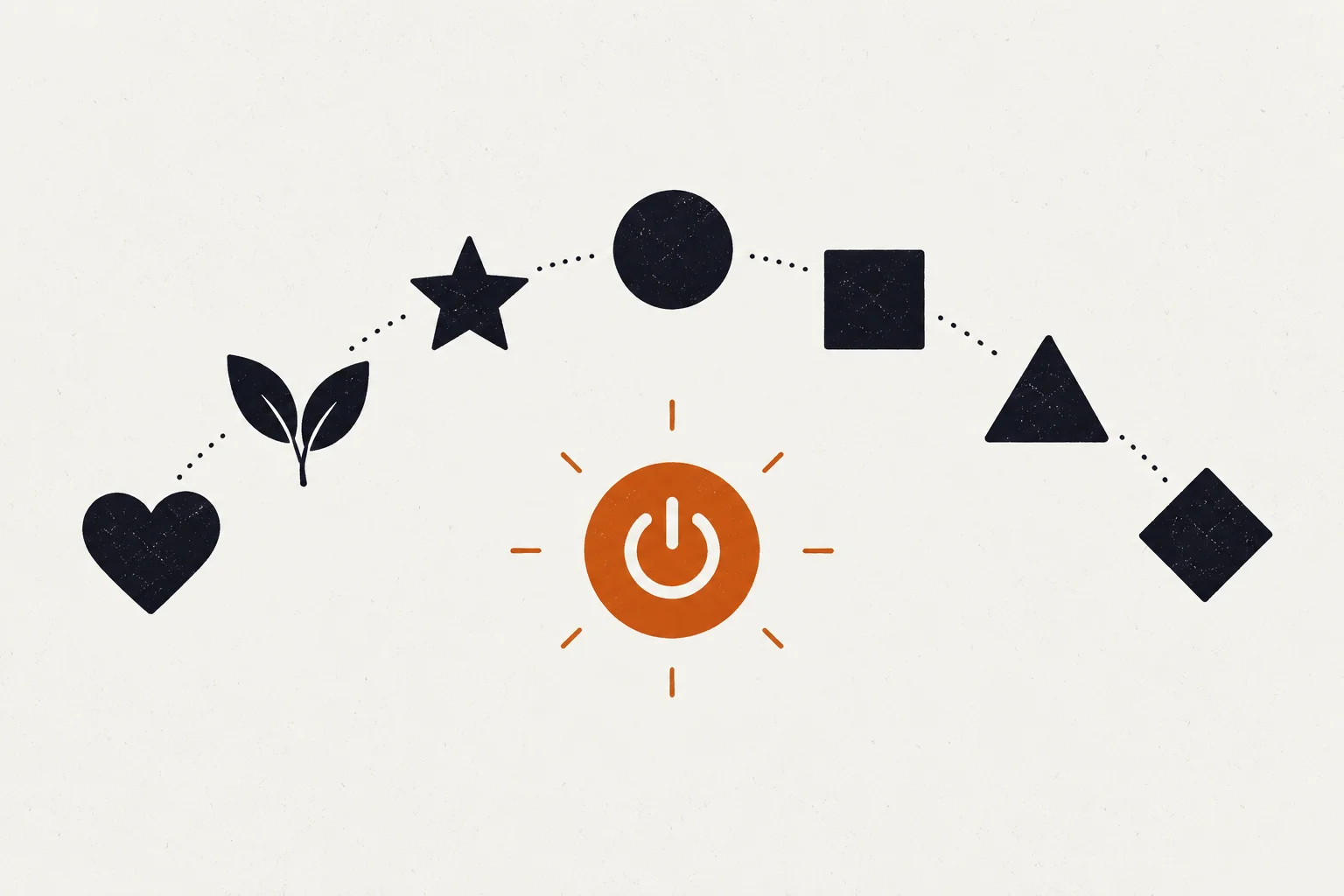
The most useful seven ways to manage stress do not all try to make you calm. Some help your body recover. Some reduce the demands creating the stress. Others bring in support when self-management is not enough.
Use this as a strategy map, not a seven-item daily checklist. Choose the area that matches the problem, test one small action, and review whether it changed anything.
Start by identifying the kind of stress
Before choosing a technique, sort the stressor into one of three groups:
- Actionable now: You can take a specific step today.
- Actionable later: You need a plan, time, information, or another person’s input.
- Not under your control: You need support, recovery, acceptance, or protection rather than more planning.
This distinction prevents relaxation exercises from becoming a substitute for solving a practical problem. The NHS problem-solving guide similarly separates solvable problems from hypothetical worries and recommends a specific action plan for what can be changed.
1. Move in a way you can repeat
Physical activity can support mood, sleep, and overall health. The CDC notes that some benefits occur after a session and that any amount of moderate-to-vigorous activity can provide health benefits.
Choose walking, cycling, swimming, strength work, dancing, yoga, or another safe activity you can access. Start with five to 10 minutes if capacity is low. The plan should leave room to recover rather than punish you for feeling stressed.
For exercise selection, progression, and safety, use our focused guide to effective exercises for managing stress.
2. Protect a workable sleep routine
Stress can make sleep harder, and poor sleep can make demands feel less manageable. Focus on conditions you can influence without treating sleep as another performance test.
Keep wake time reasonably consistent, allow a wind-down period, and move work or upsetting media out of bed where possible. If you lie awake, avoid repeatedly checking the clock. A clinician can help when insomnia persists, breathing interruptions are suspected, or sleep problems impair daytime functioning.
Do not promise yourself that a perfect night will solve the stress. The aim is to support recovery while you address the source.
3. Turn one solvable pressure into a plan
Write the stressor as a concrete problem: “I have three deadlines due Friday,” not “Everything is impossible.” Then list options, choose one, and state when it will happen.
A next action might be:
- Ask which deadline has priority.
- Break the first deliverable into a 20-minute task.
- Request information that is blocking progress.
- Move or decline a lower-priority commitment.
If no action is possible now, schedule a time to revisit it. Planning should end with a decision, not become an hour of rehearsing every outcome.
4. Reduce avoidable demand with one boundary
Some stress-management advice assumes every demand must remain in place. Check that assumption.
A boundary might mean delaying a nonurgent request, turning off notifications after a set hour, asking someone to share a caregiving task, or defining what you can complete with available time. Use direct language: “I can deliver A by Friday or A and B by Tuesday. Which is the priority?”
Boundaries do not guarantee a comfortable response from other people. They clarify capacity and make trade-offs visible.
5. Use brief regulation skills for acute pressure
Breathing, grounding, and progressive muscle relaxation can create a pause during immediate stress. The NHS breathing exercise uses gentle, regular breathing and emphasizes repeated practice.
If sensory grounding fits better, try the 3-3-3 rule for stress. Notice three sights, three sounds, and three movements, then decide what comes next.
These skills do not remove a chronic stressor. Use the pause to act, schedule, recover, or ask for support.
6. Make social support specific
“Reach out” is vague when you are already overloaded. Decide what kind of support would help:
- Listening: “Can I talk for 10 minutes without troubleshooting?”
- Practical help: “Could you handle pickup on Thursday?”
- Perspective: “Can you check whether this plan seems realistic?”
- Company: “Would you walk with me after work?”
Choose someone reasonably safe and available. If personal support is limited, a community group, healthcare professional, employee assistance program, or helpline may be more appropriate.
7. Get professional help when stress keeps taking over
Professional support is not a last-place strategy. A clinician can help when stress is persistent, worsening, linked to anxiety or depression, or affecting sleep, work, relationships, appetite, substance use, or physical health.
Treatment depends on what is driving the symptoms. The National Institute of Mental Health describes psychotherapies that address patterns among thoughts, emotions, and behaviour and that teach coping and problem-solving skills.
If the source is unsafe work, violence, discrimination, housing insecurity, or another structural problem, support may also need to include legal, workplace, social-service, or advocacy resources. Self-care is not a substitute for safety.
How to choose your first strategy
Use this decision path:
- Is there immediate danger or a medical emergency? Get urgent help.
- Is there one practical action that changes the demand? Do or schedule it.
- Is your body too activated to think clearly? Use a brief grounding or breathing skill.
- Is depleted capacity the main issue? Prioritize recovery, sleep support, food, and manageable movement.
- Has the pattern persisted despite your efforts? Bring in professional or practical support.
You may need more than one strategy, but start with one from the highest relevant level.
A seven-day stress-management experiment
Choose one stressor and one action from this article. Define the smallest version you can complete, then set a review date one week away.
Track only three things:
- What the stressor was.
- What you tried.
- Whether the action changed the demand, your recovery, or your ability to cope.
If nothing changed, do not simply repeat the same step with more effort. Choose a different category. A breathing exercise may need to become a boundary; a personal plan may need professional support.
When stress needs urgent attention
Seek urgent medical help for severe or unfamiliar physical symptoms. Seek immediate crisis support if you might harm yourself or cannot stay safe; in the United States, call or text 988.
Stress can overlap with anxiety, depression, trauma, substance use, and medical conditions. A qualified professional can assess that overlap rather than assuming every symptom has the same cause.
The bottom line
These seven ways to manage stress cover different jobs: movement and sleep support recovery; planning and boundaries change demands; grounding helps in the moment; connection and professional care bring in resources beyond your own effort.
Pick the strategy that matches the stressor. Start small enough to act today, and judge the plan by whether it improves capacity or changes the problem—not by whether you followed it perfectly.
This article is educational and is not a diagnosis or a substitute for professional medical or mental health care.