CBT Workbook for Anxiety PDF: Free Resources and What to Look For
Looking for a CBT workbook you can actually use? Here’s what to prioritize — and where to find legitimate free resources without cutting corners on quality.
The PDF Gold Rush
Search for “CBT workbook for anxiety PDF” and you’ll find hundreds of results. Most are legitimate resources from licensed therapists and organizations. Some are sketchy downloads that recycle free content with paywalls. A few are outright scams.
The challenge isn’t finding a CBT workbook PDF — it’s finding one that’s evidence-based, well-designed, and actually useful for self-guided practice.
What Makes a Good CBT Workbook
The best CBT workbooks share specific features:
Structured progression — They don’t dump techniques on you all at once. Good workbooks introduce concepts gradually, building skills layer by layer. Each chapter should feel like a natural next step.
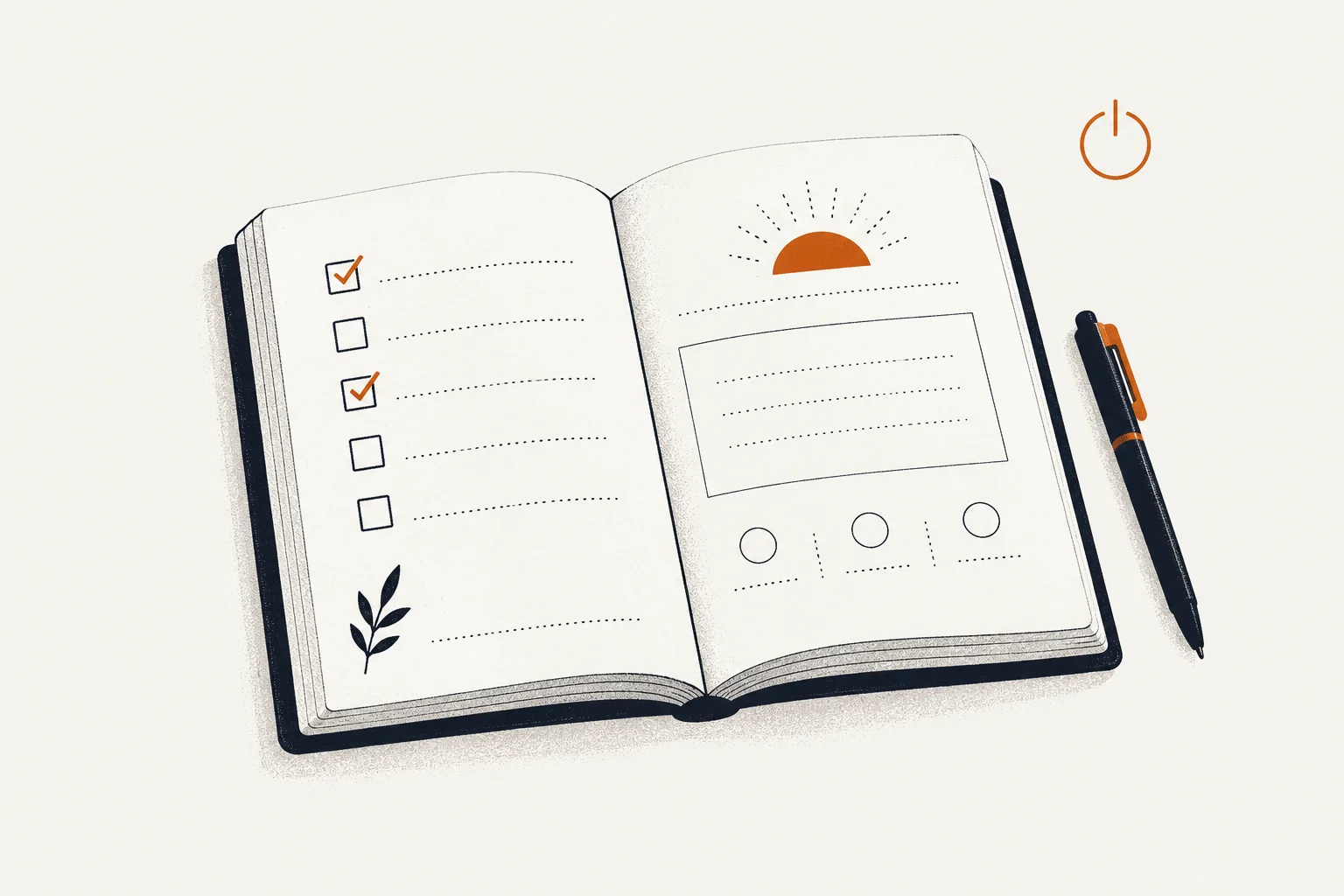
Worksheet format — CBT is participatory. You don’t read a CBT workbook — you work through it. The best PDFs include fillable worksheets or clear instructions for hand-written responses.
Psychoeducation — Before teaching techniques, good workbooks explain why anxiety works the way it does. Understanding the brain’s threat detection system makes the techniques make sense.
Homework assignments — CBT skills require practice. Workbooks that assign regular exercises between sessions produce better outcomes than those that just explain concepts.
Realistic timelines — Effective workbooks acknowledge that anxiety change takes weeks, not days. Any PDF promising quick fixes should raise suspicion.
Legitimate Free Resources
Several organizations publish high-quality CBT workbooks at no cost:
Anxiety Canada — Their free CBT-based workbooks are peer-reviewed and regularly updated. The “Helping Anxiety Grow Up” series is designed for teens; their adult resources cover panic, social anxiety, and generalized anxiety specifically.
Psychology Tools — Offers a selection of free worksheets and handouts based on their commercial workbook library. The free content is abbreviated but solid for getting started.
TherapyWorks — Provides downloadable CBT worksheets organized by anxiety subtype. Each worksheet targets a specific technique — thought records, exposure hierarchies, behavioral activation.
NHSCBT — The National Health Service’s CBT platform in the UK publishes workbooks that are freely available. These are clinically tested and written for a general audience.
Red Flags to Avoid
Not all free CBT PDFs are created equal. Watch for:
- Promises of “cure anxiety in 7 days” — genuine CBT takes consistent practice over weeks
- Worksheets without explanation — techniques need context to be effective
- Resources that push expensive courses immediately — some free PDFs are lead magnets for paid programs (not inherently bad, but be aware)
- No author credentials — legitimate workbooks identify the therapist or organization behind them
- Outdated information — anxiety research has evolved significantly since the early 2000s
Building Your Own CBT Toolkit
If you prefer to curate rather than follow a single workbook, you can build a personalized CBT practice:
- Thought records — Track anxious thoughts, the evidence for/against them, and alternative interpretations
- Exposure lists — Create a hierarchy of feared situations, starting with manageable challenges
- Behavioral experiments — Test anxious predictions against reality
- Activity scheduling — Counter anxiety-driven avoidance with planned valued actions
Each of these can be practiced with simple notebook pages or digital documents. You don’t need a professional workbook to do the work — you need consistency and honest self-observation.
When to Seek Professional Support
Free CBT workbooks are powerful tools, but they have limits. Consider working with a therapist if:
- Your anxiety is significantly disrupting daily functioning
- You’ve tried self-guided CBT for 4-6 weeks without improvement
- You’re dealing with trauma-related anxiety (requires specialized approaches)
- You have co-occurring conditions like depression or substance use
A therapist can personalize CBT techniques to your specific patterns and provide accountability that self-study often lacks.
Key Takeaways
- Free CBT workbooks exist from legitimate sources like Anxiety Canada and NHSCBT
- Quality markers include structured progression, worksheets, psychoeducation, and homework
- Red flags include quick-fix promises, no credentials, and outdated methods
- Self-directed CBT works for mild-to-moderate anxiety when practiced consistently
- Professional support accelerates progress and addresses complex cases
For our complete reviews of paid CBT workbooks, see best books for anxiety self-help and self-help books for anxiety disorder.